Dental plaque is one of the most common causes of oral health problems, yet many people don’t fully understand what it is or how fast it forms. Even if you brush regularly, plaque starts building up again sooner than you might expect.Understanding plaque is the first step toward preventing cavities, gum problems, and bleeding gums.
What exactly is dental plaque?
Dental plaque is a soft, sticky film that constantly forms on your teeth. It is made up of bacteria, saliva, and tiny food particles that remain in your mouth after eating or drinking.Plaque is usually colorless or pale yellow, which makes it hard to notice. But just because you can’t see it doesn’t mean it isn’t there. It sticks tightly to the surface of teeth and especially around the gum line.If plaque is not removed regularly, it begins to irritate the gums and damage the teeth.
How fast does plaque form after brushing?
Plaque begins forming within a few hours after brushing. As soon as you eat or drink, bacteria in your mouth feed on sugars and starches, starting the plaque-forming process again.This is why plaque buildup is often worse:After frequent snackingAt night, when saliva flow reducesAround teeth that are harder to cleanOver time, this buildup can cause gum irritation. This is one of the main reasons people notice bleeding gums while brushing, even when they think they are brushing correctly.
Why does plaque collect near the gum line?
The gum line is a warm, moist area, making it the perfect place for bacteria to grow. It’s also an area many people miss while brushing, either because they rush or use the wrong technique.When plaque sits near the gums:The gums become irritatedRedness and swelling may appearBrushing that area can cause bleedingThis early stage of gum inflammation is often painless, which is why it is easy to ignore.
What happens if plaque is not removed?
If plaque is not cleaned away daily, it can lead to several dental problems, including:Cavities, as bacteria produce acids that weaken tooth enamelGum inflammation, causing tenderness and swellingBleeding gums, especially during brushing or flossingTartar formation, when plaque hardens and can no longer be removed at homeOnce plaque turns into tartar, professional dental cleaning is required.
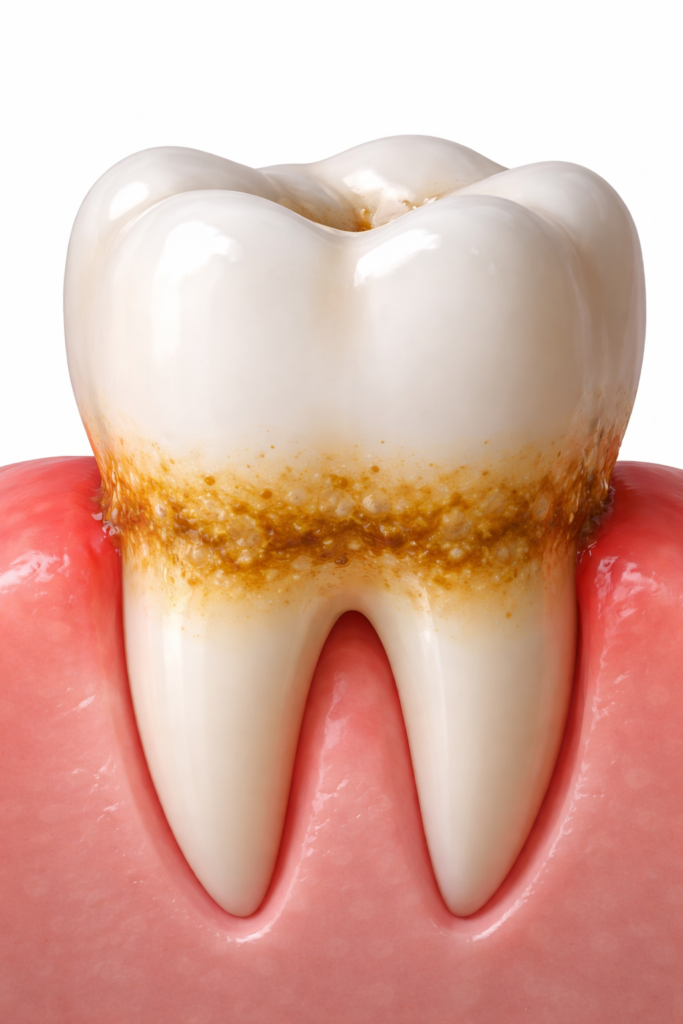
Bleeding gums are often one of the earliest signs of plaque buildup. If this sounds familiar, read Why Do Gums Bleed While Brushing? to understand what your gums are trying to tell you
The bottom line
Plaque formation is normal and unavoidable, but letting it stay on your teeth is what causes problems. Good daily oral hygiene helps keep plaque under control before it leads to cavities or gum disease.Brushing thoroughly, cleaning along the gum line, and maintaining consistent oral care habits can make a significant difference in long-term dental health.